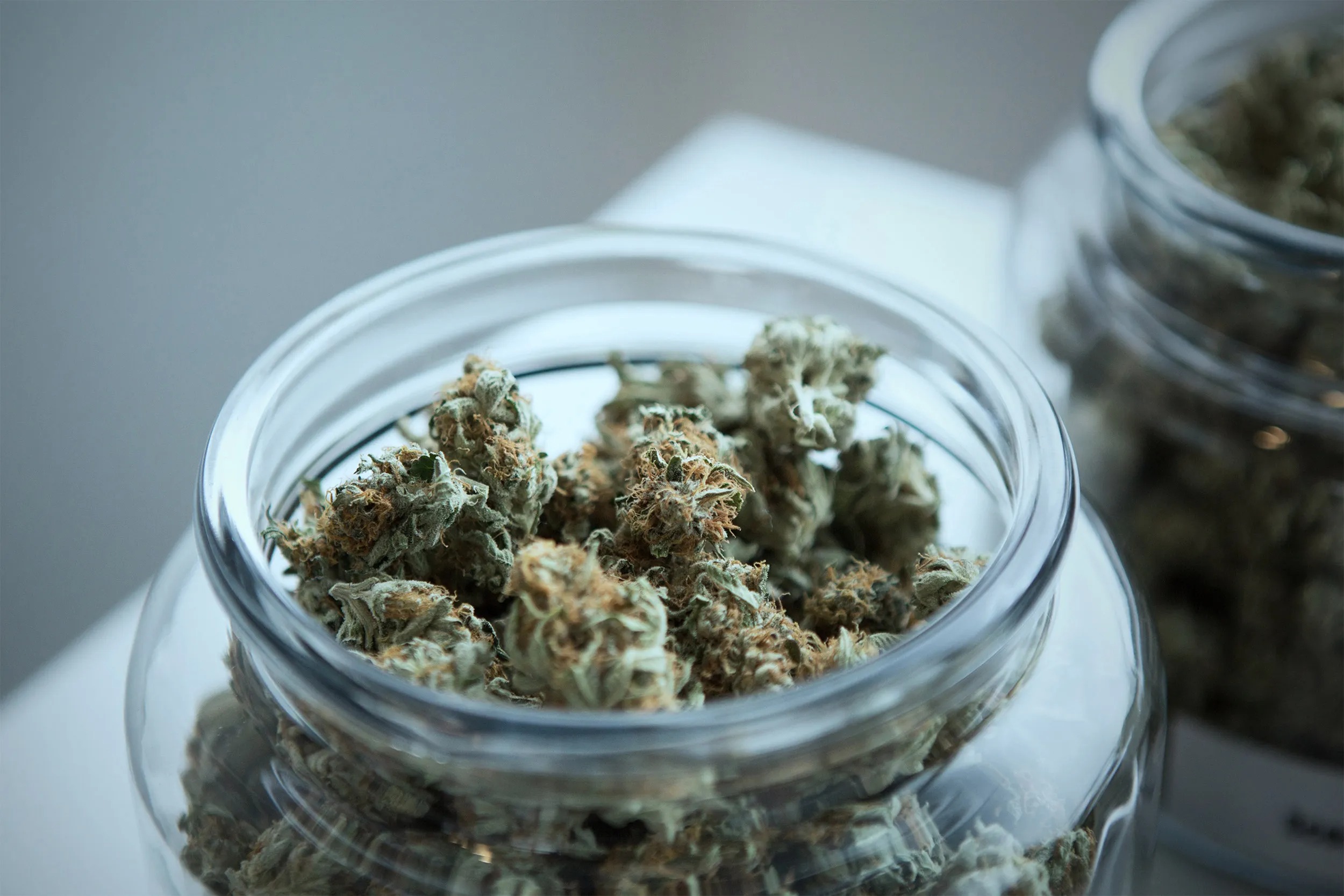


Modern exotic cannabinoid vapes have emerged as a significant trend in the ever-evolving landscape of cannabis consumption. These products, often marketed with enticing flavors and novel compounds, have captured the attention of both seasoned users and newcomers alike. Understanding their effects requires a closer look at the unique cannabinoids they contain, their potential benefits, and associated risks.
Cannabinoids are chemical compounds found in cannabis plants that interact with the body’s endocannabinoid system to produce various effects. While THC (tetrahydrocannabinol) and CBD (cannabidiol) are well-known cannabinoids, modern exotic vapes often feature lesser-known variants like Delta-8-THC, CBN (cannabinol), or THCV (tetrahydrocannabivarin). Each of these cannabinoids offers distinct properties; for instance, Delta-8-THC is noted for its milder psychoactive effects compared to Delta-9-THC, potentially offering relaxation without intense euphoria.
The appeal of these exotic cannabinoid vapes lies not only in their diverse range of effects but also in their method of consumption. Vaping provides a convenient and discreet way to experience cannabis’ benefits without the combustion involved in smoking traditional joints or pipes. This process preserves more delicate terpenes and flavonoids that contribute to the overall sensory experience while reducing exposure to harmful byproducts like tar.
However, alongside potential benefits come concerns about safety and regulation. The rapid D8 GAS proliferation of these products has outpaced regulatory frameworks in many regions, leading to varying quality standards across different brands. Consumers may encounter inconsistencies regarding potency or purity due to inadequate testing protocols during production stages—posing health risks when contaminants such as pesticides or heavy metals go undetected within vaping oils themselves.