
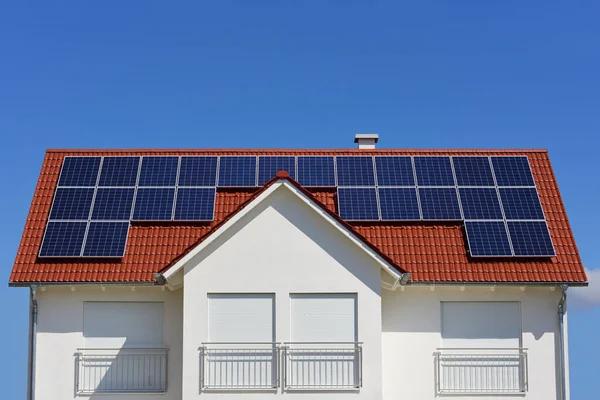
When planning solar installations on rooftops or open land, understanding the specific requirements is essential to ensure efficiency, safety, and compliance with regulations. Solar energy systems convert sunlight into electricity, and their performance depends largely on proper site assessment, structural considerations, and adherence to local codes. Rooftop solar installations require careful evaluation of the roof’s condition and orientation. The roof must be structurally sound enough to support the weight of solar panels and mounting equipment without compromising its integrity. Materials such as asphalt shingles or metal roofs are generally more suitable for solar panel installation compared to older or fragile roofing types that may need repair or replacement beforehand.
Orientation plays a vital role in maximizing energy production; ideally, panels should face south in the northern hemisphere or north in the southern hemisphere to capture optimal sunlight throughout the day. Roof tilt angle also influences efficiency; angles between 15 and 40 degrees typically yield good results depending on geographic location. Additionally, shading from nearby trees, chimneys, or other buildings can significantly reduce system output by blocking sunlight during peak hours. Therefore, a shading analysis is crucial before installation.
Open land installations offer greater flexibility regarding size and layout but come with different challenges. Site selection must consider soil stability because uneven ground may require grading or specialized mounting structures such as pole mounts or ground screws instead of standard racks used for flat surfaces. Land use restrictions imposed by zoning laws often dictate where large-scale solar arrays can be placed; agricultural zones might have limitations to protect farmland while industrial areas could allow expansive setups.
For both rooftop and open land systems, electrical design must comply with national standards like the National Electrical Code (NEC) in the United States or equivalent regulations elsewhere. Proper wiring methods ensure safe operation under various weather conditions while minimizing power losses through resistance over distances between panels and inverter units. Inverter placement should facilitate maintenance access without exposure to harsh elements.
Permitting processes vary widely depending on jurisdiction but typically involve submitting detailed plans illustrating system size, electrical schematics, structural assessments if applicable, and proof of compliance with fire safety guidelines. Fire codes often require clearances around equipment for emergency responders’ access.
In summary, successful solar installations depend on detailed site evaluations addressing structural integrity for rooftops or terrain suitability for open land projects; optimizing panel orientation while minimizing shading effects; ensuring electrical designs meet regulatory standards; obtaining necessary permits through comprehensive documentation; see all resources contributing toward efficient renewable energy generation tailored specifically to each location’s unique characteristics.