

Improving physical balance is essential for maintaining stability, preventing falls, and enhancing overall mobility. Balance involves the ability to control your body’s position, whether standing still or moving. Simple techniques can significantly enhance this skill by strengthening muscles, improving coordination, and increasing body awareness. One effective method is practicing single-leg stands. This exercise encourages the development of lower-body strength and proprioception-the sense of where your body is in space-by requiring you to maintain stability on one foot at a time. Starting with short durations and gradually increasing the time helps build endurance and confidence.
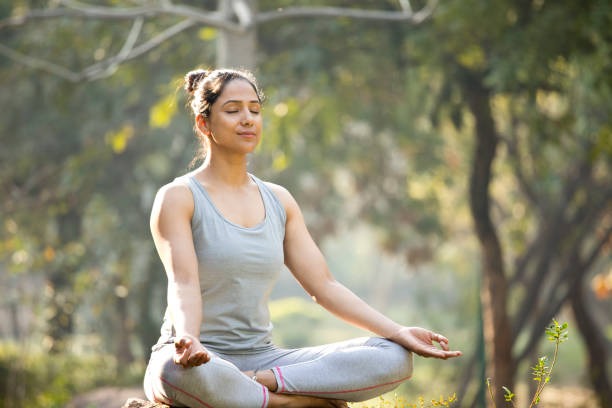
Another useful technique includes incorporating slow, controlled movements into daily routines. Activities such as heel-to-toe walking challenge your equilibrium by narrowing your base of support while forcing focus on precision in each step. Performing this along a straight line improves concentration and fine motor control necessary CBD for pain balanced movement. Additionally, engaging in gentle yoga poses like tree pose or warrior III can promote core strength and flexibility simultaneously with balance training. These postures require sustained attention to alignment and muscle engagement that supports steadiness.
Strengthening core muscles plays a crucial role in enhancing physical balance because these muscles stabilize the spine and pelvis during motion. Exercises targeting abdominal muscles, lower back, hips, and glutes contribute to better posture control which directly affects balance capabilities. Pilates or simple floor exercises such as bridges or planks are excellent ways to develop core stability without needing special equipment.
Incorporating dynamic activities that mimic real-life motions also benefits balance improvement efforts. For example, stepping over objects or side-stepping challenges coordination between limbs while demanding quick adjustments from the nervous system to maintain equilibrium under changing conditions.
Proper footwear should not be overlooked when aiming to improve balance; shoes with supportive soles provide better traction and reduce slipping risks during practice sessions or everyday movement.
Finally, consistency is key when applying these techniques for noticeable progress over time. Regularly dedicating even just a few minutes per day to focused balance exercises will lead to gradual improvements that enhance safety and functional independence across various environments.