
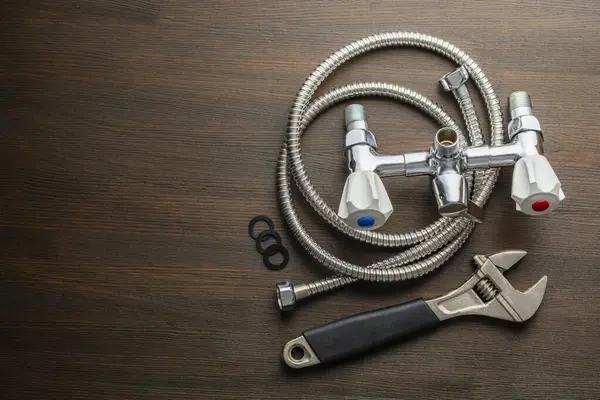
Upgrading a plumbing system is an essential step towards enhancing efficiency and sustainability in any building, whether residential or commercial. As the demand for water conservation and energy efficiency grows, modern plumbing systems have evolved to incorporate innovative technologies that not only reduce water usage but also lower utility bills and minimize environmental impact.
One of the most effective ways to improve the efficiency of a plumbing system is by installing low-flow fixtures. These are designed to use significantly less water than traditional models without sacrificing performance. Low-flow toilets, for example, can use as little as 1.28 gallons per flush compared to older versions that might use up to 7 gallons. Similarly, low-flow showerheads and faucets reduce water usage while maintaining adequate pressure, contributing substantially to overall savings.
Another upgrade that enhances plumbing efficiency is the installation of tankless water heaters. Unlike conventional water heaters that continuously heat a large tank of water, tankless systems heat water on demand. This not only reduces energy consumption but also ensures an endless supply of hot water when needed. Tankless heaters are more compact and have a longer lifespan compared to traditional units, making them a wise investment for homeowners looking to optimize their plumbing systems.
Smart discover further details here technology integration has become increasingly popular in modern plumbing upgrades. Smart leak detectors can be installed throughout the system to monitor for leaks in real-time, preventing costly damage and wasteful loss of resources. Additionally, smart irrigation systems adjust watering schedules based on weather conditions and soil moisture levels, ensuring landscapes receive adequate hydration without excess usage.
Pipe insulation is another critical upgrade that improves efficiency by reducing heat loss from hot-water pipes and preventing cold-water pipes from sweating in humid environments. Insulating pipes helps maintain desired temperatures with less energy input while protecting against freezing during colder months.
Incorporating greywater recycling systems into existing infrastructure offers significant benefits as well. Greywater refers to gently used wastewater from sinks, showers, or washing machines which can be treated and reused for non-potable applications like toilet flushing or landscape irrigation. This practice conserves fresh water supplies while reducing strain on sewage treatment facilities.