
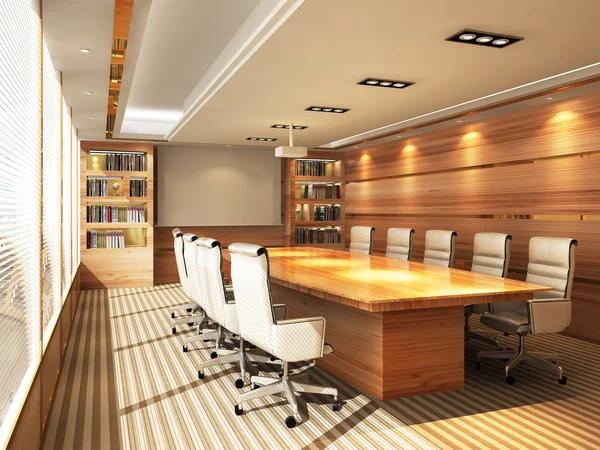
Purchasing used office furniture is an effective strategy for businesses aiming to significantly reduce their operational expenses. New office furnishings often come with a high price tag, which can strain budgets, especially for startups or companies undergoing expansion. By opting for pre-owned items, organizations can acquire quality desks, chairs, storage units, and conference tables at a fraction of the original cost without compromising functionality or aesthetics.
One major advantage of buying used office furniture is the immediate cost savings. Furniture depreciates quickly after initial use, so many secondhand pieces are still in excellent condition but sold at substantially lower prices. This depreciation allows buyers to access well-made products from reputable brands that would otherwise be unaffordable if purchased new. These savings enable companies to allocate funds toward other critical areas such as technology upgrades or employee development programs.
In addition to financial find out the benefits, purchasing used furniture supports sustainability initiatives by reducing waste and minimizing demand for new manufacturing resources. Reusing existing materials helps decrease environmental impact through lower energy consumption and reduced landfill contributions. This eco-friendly approach aligns with corporate social responsibility goals that many modern businesses prioritize when selecting suppliers and partners.
The variety available in the secondary market also offers flexibility in design choices and customization options. Businesses can find unique pieces that add character to their workspace while maintaining professionalism. Many vendors refurbish items before resale, ensuring durability and appearance meet industry standards. This process often includes repairs or reupholstering tailored to client preferences without incurring excessive costs associated with brand-new products.
Moreover, acquiring used furniture typically involves quicker delivery times compared to ordering bespoke new sets from manufacturers who may have lengthy production schedules. Faster turnaround allows offices to become fully operational sooner after relocation or remodeling projects begin. It also reduces downtime caused by waiting periods linked with custom orders.
When considering long-term investments in office infrastructure, it’s important not only to evaluate upfront costs but also maintenance requirements over time. Used furniture frequently comes with proven longevity since it has already endured regular usage cycles; any defects tend to be apparent beforehand rather than hidden issues emerging later on expensive warranties.
Ultimately, buying used office furniture presents an intelligent balance between economy and quality that enables businesses across various industries to cut expenditures significantly while furnishing productive work environments efficiently and responsibly.