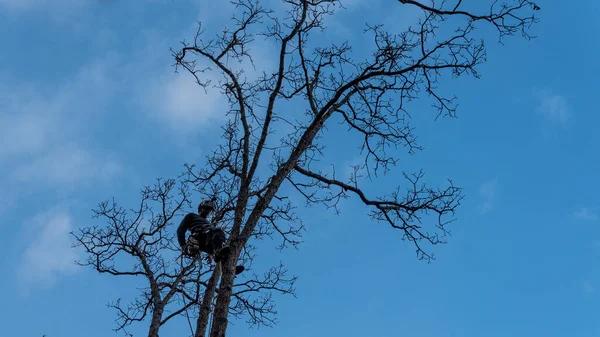

Tree pruning is an essential practice that contributes significantly to both safety and aesthetic appeal in residential and commercial landscapes. By selectively removing certain branches, tree pruning helps maintain the health of trees while preventing potential hazards that could arise from weak or overgrown limbs. This process not only improves the structural integrity of trees but also enhances their overall appearance, making them more attractive and harmonious with their surroundings.
One of the primary reasons for tree pruning is to reduce the risk of falling branches that may cause injury or property damage. Dead or diseased limbs are particularly dangerous during storms or high winds, as they can break off unexpectedly. Regularly inspecting and tree trimming near me these vulnerable parts ensures that trees remain safe for people, pets, and nearby buildings. Additionally, removing branches that obstruct walkways, driveways, or power lines prevents accidents and service interruptions. Proper pruning creates clearances around structures and utility lines without compromising the natural shape of the tree.
Beyond safety concerns, pruning plays a vital role in promoting healthy growth by allowing better air circulation and sunlight penetration throughout the canopy. When crowded branches compete for resources such as light and nutrients, some may weaken or become susceptible to pests and diseases. Thinning out dense areas reduces competition among limbs while encouraging stronger development in remaining branches. This balanced growth results in a more resilient tree capable of withstanding environmental stressors.
A well-pruned tree also adds significant value to any landscape by enhancing its visual appeal. Removing unsightly deadwood or overly long shoots refines the silhouette of trees, giving them a neat appearance that complements surrounding plants and architecture. Pruning can be tailored to emphasize particular features like flowering buds or fruit production depending on species-specific needs. In urban environments where space is limited, shaping smaller trees through careful trimming ensures they fit harmoniously within confined spaces without overwhelming other elements.
It is important to approach tree pruning with knowledge about proper techniques to avoid causing harm unintentionally. Incorrect cuts can lead to wounds that expose trees to infections or decay if not done correctly at appropriate angles near branch collars-the area where new growth emerges from older wood. Consulting certified arborists who understand local species’ requirements guarantees effective maintenance practices aligned with ecological considerations.
In summary, regular tree pruning enhances both safety by minimizing risks associated with damaged limbs and beauty by promoting healthy structure alongside appealing form. Investing time into this maintenance task protects investments in landscaping while contributing positively toward environmental stewardship within communities where well-cared-for greenery thrives peacefully alongside human activity.