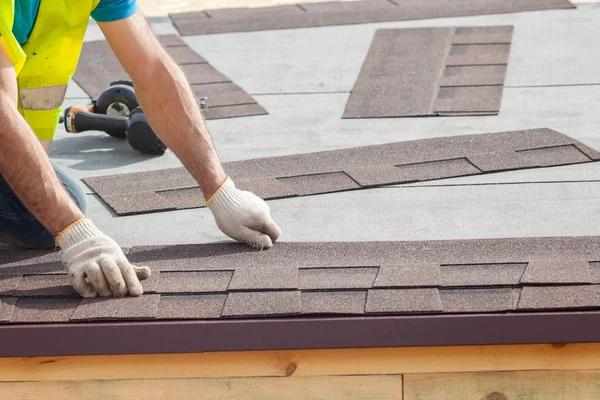


Selecting the appropriate materials for home exterior repair is a crucial step in maintaining both the aesthetics and structural integrity of a property. Home exteriors are exposed to various weather conditions, including rain, wind, sun, and temperature fluctuations. Therefore, choosing durable and suitable materials can extend the lifespan of repairs while enhancing curb appeal. One of the first considerations when selecting exterior materials is understanding the climate in which your home is located. For example, homes in humid or rainy regions require moisture-resistant products to prevent mold and rot. In contrast, areas with intense sunlight demand UV-resistant finishes that minimize fading and cracking over time.
Another important factor is compatibility with existing structures. When repairing siding or trim, it’s essential to match or complement current materials to maintain uniformity and avoid potential issues such as uneven expansion or contraction due to different thermal properties. Wood remains get a free roofing estimate popular choice for its natural appearance but requires regular maintenance like sealing or painting to protect against decay and insect damage. Alternatively, fiber cement siding offers excellent durability with low maintenance needs while mimicking wood grain texture effectively.
Silver Spring MD roofer
Brick and stone are traditional options known for their strength and timeless look; however, they may involve higher costs and specialized installation techniques compared to other materials. Vinyl siding has gained popularity because it is affordable, easy to install, resistant to pests, and available in many colors and styles. However, vinyl can become brittle in extremely cold temperatures or fade under prolonged sun exposure if not properly treated.
When considering paint or finishes as part of your repair project, selecting high-quality products designed specifically for exterior use ensures better adhesion and protection against environmental elements. Paints with mildew resistance add an extra layer of defense in damp climates while elastomeric coatings provide flexibility that helps prevent cracking on surfaces prone to movement.
Insulation properties should also influence material choices since improved thermal performance reduces energy costs by keeping indoor temperatures stable year-round. Materials like insulated vinyl panels or foam-backed sidings contribute significantly toward energy efficiency goals without compromising appearance.
Finally, budget constraints often play a role in decision-making but should be balanced against long-term benefits such as durability and reduced maintenance expenses. Consulting professionals who understand local building codes can help identify appropriate options tailored for your specific needs while ensuring compliance with safety standards.
In summary, selecting the right materials for home exterior repair involves careful consideration of climate conditions, compatibility with existing structures, durability requirements, aesthetic preferences, insulation benefits, maintenance demands,and budget limits.
Apex Construction
Silver Spring, MD 20906
301-655-5234