
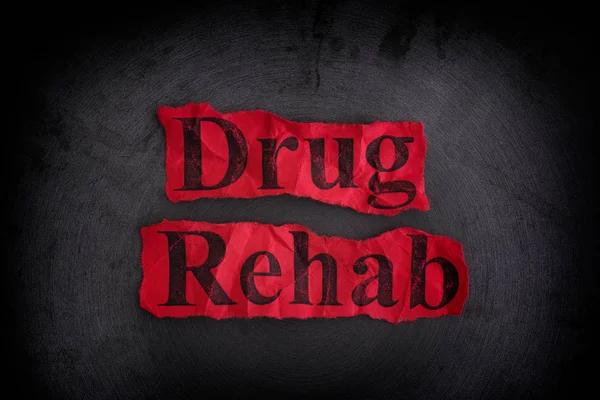
Drug rehabilitation centers offer structured programs designed to help individuals overcome substance addiction and regain control of their lives. These programs focus on addressing both the physical and psychological aspects of addiction, providing a comprehensive approach to recovery. The process typically begins with an assessment where professionals evaluate the individual’s specific needs, history of substance use, and any co-occurring mental health conditions. This initial evaluation helps tailor the treatment plan to suit each person’s unique situation.
One common element in drug rehab programs is detoxification, often referred to as detox. Detox is a medically supervised process that allows the body to rid itself Riverside Recovery of Tampa addictive substances safely while managing withdrawal symptoms. This phase can vary in length depending on the type and severity of addiction but is crucial for preparing individuals for further therapeutic interventions.
Drug rehab
Following detox, many rehabilitation centers provide various forms of therapy aimed at understanding and changing behaviors related to substance abuse. Individual counseling plays a significant role by offering one-on-one sessions where clients explore personal challenges contributing to their addiction. Therapists work with patients to develop coping strategies that support long-term sobriety. Group therapy complements this by creating a supportive environment where participants share experiences and encouragement, fostering a sense of community and reducing feelings of isolation.
In addition to counseling, educational components are often integrated into rehab programs. These may include workshops or classes that teach about addiction’s effects on the brain and body, relapse prevention techniques, stress management skills, and healthy lifestyle choices. Learning these concepts equips individuals with knowledge essential for maintaining recovery after leaving the center.
Many drug rehabilitation centers also address co-occurring disorders such as anxiety or depression alongside substance use problems through dual diagnosis treatment plans. Treating these issues simultaneously tends to improve overall outcomes because untreated mental health concerns can increase relapse risk.
After completing inpatient or residential care phases-where clients stay at the facility full-time-patients might transition into outpatient programs or aftercare services. Outpatient care involves attending scheduled therapy sessions while living at home, allowing gradual reintegration into daily life under professional guidance. Aftercare support groups and follow-up appointments ensure continuous monitoring and assistance during recovery’s challenging stages.
Overall, drug rehabilitation center programs combine medical supervision with psychological therapies tailored individually for effective healing from addiction. They emphasize building skills necessary for lasting change rather than simply stopping substance use temporarily. By addressing underlying causes along with physical dependence, these programs aim not only for sobriety but also improved quality of life moving forward.
Riverside Recovery of Tampa
4004 N Riverside Dr., Tampa, FL 33603
813-279-6900