
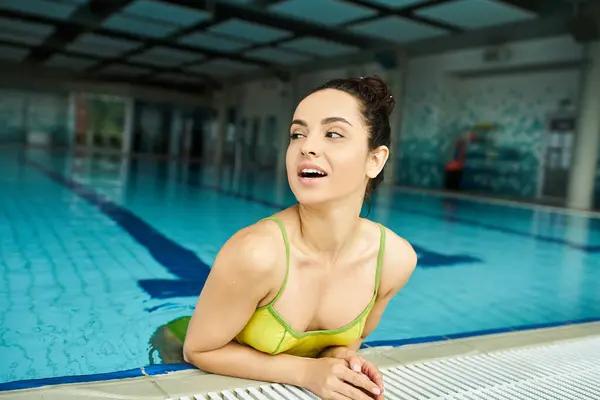
Designing the perfect pool is an art that combines aesthetics with functionality, creating a space that not only enhances the beauty of your home but also provides a practical and enjoyable environment for relaxation and recreation. Achieving the right balance between style and usability requires careful planning, attention to detail, and an understanding of both design principles and practical considerations.
The first step in designing a pool is determining its purpose. Are you looking for a serene oasis for relaxation, or do you need a space suitable for family activities and entertaining guests? Understanding how you intend to use your pool will guide many of your design decisions. For instance, if entertainment is key, consider incorporating features like built-in seating areas or even a swim-up bar. For families with children, safety features such as shallow zones or splash pads might be more appropriate.
Once you’ve established explore the options primary function of your pool, it’s time to consider its style. The design should complement the architecture of your home and blend seamlessly with the surrounding landscape. Modern pools often feature clean lines and minimalist designs, using materials like concrete or glass tiles to create a sleek look. In contrast, traditional styles may incorporate natural stone elements or freeform shapes that mimic natural bodies of water.
Incorporating landscaping elements can further enhance both style and usability. Surrounding your pool with lush greenery not only adds visual appeal but also provides privacy and shade—important factors for comfort during hot summer days. Consider using native plants that are well-suited to your climate; they require less maintenance while contributing to an eco-friendly environment.
Lighting plays a crucial role in enhancing both aesthetics and safety around the pool area. Strategically placed lights can highlight architectural features at night while ensuring pathways are visible after dark—a critical consideration for preventing accidents.
When it comes to usability, ease of maintenance should never be overlooked in pool design. Choosing durable materials resistant to weather conditions ensures longevity while reducing upkeep costs over time. Automated systems can simplify maintenance tasks such as cleaning or chemical balancing—an investment worth considering if convenience ranks high on your list.