

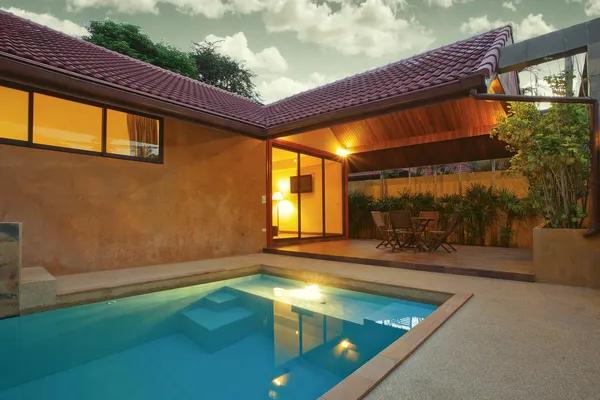
Building a custom swimming pool can be an exciting and rewarding project for first-time homeowners. It adds value to the property, creates a personal oasis, and provides endless entertainment opportunities. However, the process requires careful planning and consideration to ensure the final result meets expectations while staying within budget. The first step is to thoroughly evaluate your outdoor space. Understanding the size, shape, and topography of your yard will help determine what type of pool design will fit best without overwhelming the area or causing landscaping issues. Consider how much sunlight your yard receives throughout the day since this affects water temperature and maintenance needs.
Next, establish a clear budget that accounts not only for construction but also for ongoing costs such as cleaning supplies, electricity for pumps Nassau Pools and Spas potential repairs. Custom pools often come with additional features like lighting, waterfalls, or integrated spas that can significantly increase expenses if not carefully managed from the outset. Researching local regulations is equally important before beginning any construction work. Many municipalities have specific rules regarding pool fencing, permits, drainage requirements, and safety standards designed to protect homeowners and neighbors alike.
Choosing a reputable contractor is crucial in bringing your vision to life smoothly. Look for companies with proven experience in custom pools who offer transparent communication about timelines and materials used. Request references or visit completed projects when possible to assess workmanship quality firsthand. Discussing maintenance options during initial consultations helps set realistic expectations about time commitment after installation.
Design flexibility allows you to personalize elements such as shape, depth variations suitable for different activities like lounging or diving, color schemes of tiles or liners that complement your home’s exterior aesthetic, as well as surrounding decking materials which impact both appearance and functionality by providing slip resistance or heat retention properties.
Energy efficiency should also be considered by incorporating modern technologies such as variable speed pumps or solar heating systems which reduce operational costs over time while minimizing environmental impact.
Finally, plan ahead for landscaping around the pool area including shade-providing plants or privacy screens that enhance comfort without creating excessive debris requiring frequent cleaning inside the pool itself.
By approaching custom swimming pool construction methodically with attention to detail at every stage-from site assessment through contractor selection-you can create an inviting backyard retreat tailored specifically to your lifestyle needs while avoiding common pitfalls faced by first-time homeowners embarking on this endeavor.