

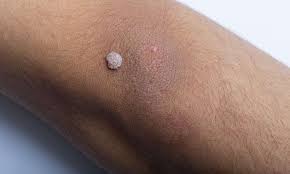
Mole removal is a common cosmetic procedure that many individuals consider for various reasons, ranging from aesthetic preferences to medical necessities. Understanding the results you can expect from mole removal can help set realistic expectations and prepare you for the process.
The outcome of mole removal largely depends on factors such as the size, type, and location of the mole, as well as the method used for its removal. There are several techniques available, including surgical excision, laser treatment, cryotherapy (freezing), and electrosurgery (burning). Each method has its own advantages and potential drawbacks.
Surgical excision is often employed when there is a need to remove deeper moles or when there’s a suspicion of malignancy. This technique involves cutting out the mole along with some surrounding tissue to ensure complete removal. The result typically includes a small scar that fades over time but may remain slightly visible depending warts on face treatment individual healing processes and skin types.
Laser treatment is another popular option, especially for smaller or less deeply rooted moles. It employs concentrated light beams to break down pigment cells in the mole without affecting surrounding tissues significantly. Laser treatments usually lead to minimal scarring compared to surgical methods; however, multiple sessions might be necessary for optimal results.
Cryotherapy involves freezing off superficial moles using liquid nitrogen. This method can be effective but may cause blistering or temporary changes in skin pigmentation post-treatment. Similarly, electrosurgery uses electric currents to burn away unwanted tissue while minimizing bleeding during the procedure. Both techniques generally leave behind minor scars that improve over time with proper care.
Regardless of which method you choose, it’s crucial to follow post-procedure care instructions diligently to achieve satisfactory results and minimize complications like infection or excessive scarring. Keeping treated areas clean and protected from direct sun exposure helps promote healing while reducing discoloration risks associated with UV damage.
It should also be noted that although most moles are benign growths posing no health threat whatsoever—some could indicate underlying conditions requiring further evaluation by dermatologists before deciding upon appropriate intervention measures if needed at all! Therefore consulting professionals ensures accurate diagnosis alongside tailored recommendations based specifically around your unique circumstances ensuring peace-of-mind throughout every step involved within this journey towards achieving desired outcomes safely effectively efficiently too!
In conclusion: Mole removals offer promising solutions addressing both cosmetic concerns potentially serious health issues alike given right approach taken consideration individual needs goals paramount importance overall satisfaction success rate achieved ultimately enhancing quality life positively impacting self-esteem confidence levels long-term basis indeed!