
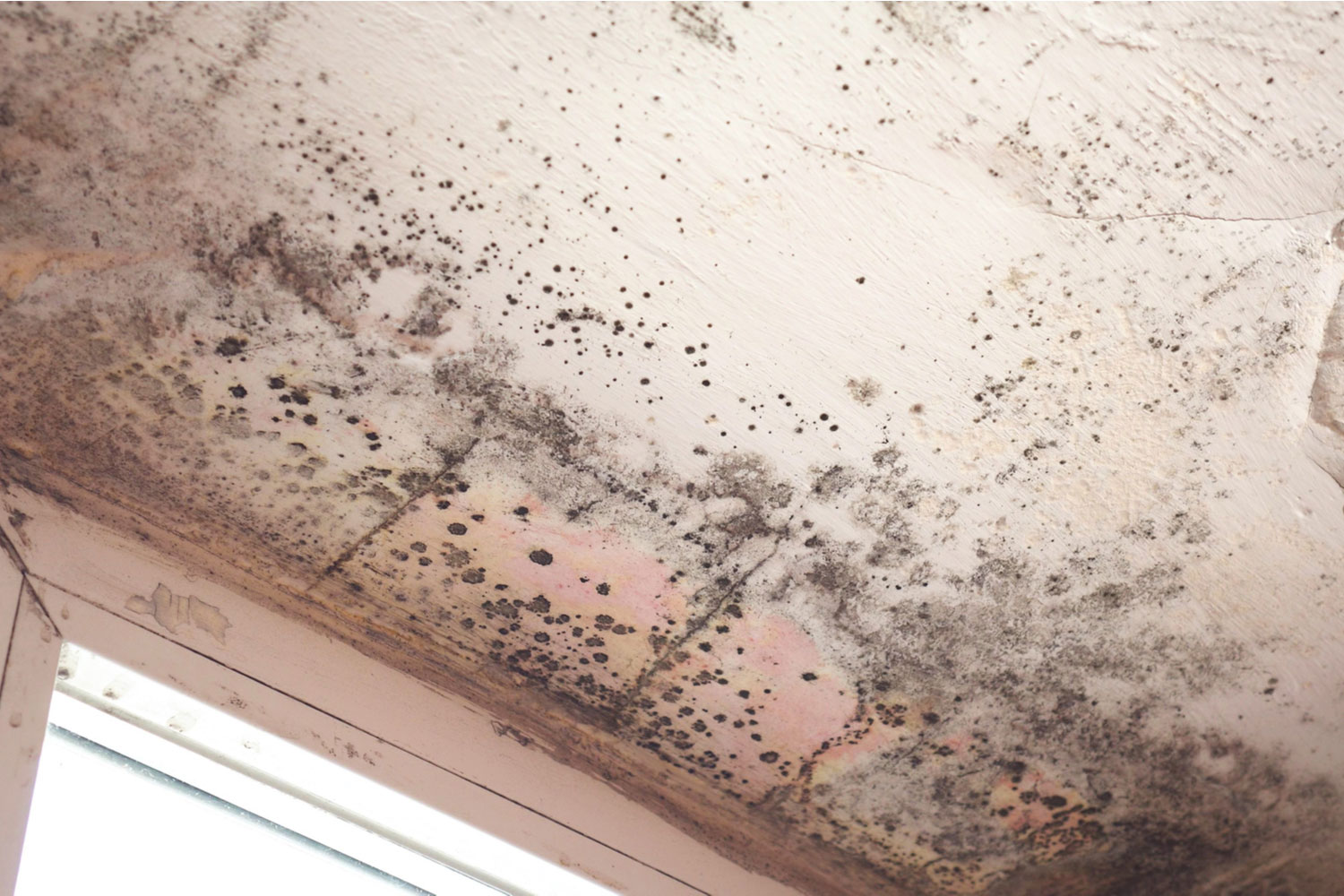
Moisture buildup can remain unnoticed within walls, ceilings, and floor structures long before damage becomes visible. When mold extends past exposed surfaces, effective cleanup depends on detailed assessment instead of broad removal methods. Property owners often rely on Local Mold Remediation Services after repeated growth points to underlying structural concerns. Tailored remediation strategies ensure each space receives precise care while avoiding avoidable disturbance or added costs.
Customized Remediation Begins With Precision
Targeted remediation relies on understanding how moisture behaves within a specific structure. Different building designs influence airflow, condensation, and material absorption in unique ways. Precision planning ensures remediation work responds to contamination patterns rather than assumptions, allowing corrective actions to remain efficient and controlled.
Detailed Inspection Shapes Every Decision
A thorough inspection sets the foundation for successful remediation outcomes. Specialists evaluate visible growth while tracing hidden moisture sources that contribute to contamination spread. By identifying affected materials early, cleanup strategies remain accurate and avoid unnecessary removal or incomplete treatment.
- Moisture source identification across structural surfaces
- Air quality sampling within affected interior zones
- Material porosity evaluation for contamination depth
- Containment needs based on spread patterns
Inspection results guide remediation boundaries and treatment intensity. Clear findings prevent excessive demolition while addressing underlying causes. Accurate assessment supports safer cleanup timelines and better long-term outcomes.
Why Do Customized Plans Reduce Repeat Growth?
Recurring mold issues usually stem from unresolved environmental conditions rather than failed removal efforts. Generic cleanup addresses visible damage but ignores moisture movement and airflow behavior. Customized plans interrupt regrowth cycles by correcting contributing conditions.
Controlled Removal Protects Structural Integrity
Removal strategies focus on isolating contaminated zones before extraction begins. Proper containment limits spore movement and protects unaffected areas during remediation. Controlled removal preserves surrounding structures while ensuring compromised materials are safely eliminated.
- Negative pressure control during material extraction
- HEPA filtration throughout active work zones
- Selective demolition minimizing structural disturbance
- Continuous monitoring for airborne spore levels
These controls reduce exposure risks during active remediation work. Selective removal limits rebuilding needs after cleanup concludes. Structural stability remains intact throughout each remediation phase.
Is Full Evacuation Always Necessary During Cleanup?
Evacuation requirements vary based on contamination severity and layout design. Targeted remediation allows phased work that limits disruption for occupants. Teams providing Local Mold Remediation Services often coordinate containment zones to maintain safety.
Ongoing Moisture Control Supports Lasting Results
Remediation remains effective only when protection extends beyond cleaning efforts. Managing moisture levels helps maintain interior balance and discourages renewed buildup. Adjusted airflow, sealed surfaces, and controlled humidity contribute to dependable long-term stability.