
Air conditioning systems play a crucial role in maintaining comfort, especially during hot weather. Understanding the basics of AC repair can save homeowners time and money, and also help in identifying problems early before they escalate. Whether you are a homeowner or someone interested in becoming an HVAC technician, reviewing the fundamentals of AC repair is a great place to start.
The foundation of AC repair begins with understanding how air conditioners work. Essentially, an air conditioning system removes heat from indoor air and transfers it outside, cooling the interior space. This process involves several key components: the compressor, condenser coils, evaporator coils, refrigerant, and the blower fan. The compressor circulates refrigerant through the system, the condenser coils release heat to the outside, and the evaporator coils absorb heat from inside the home. The blower fan then distributes the cooled air through the ducts.
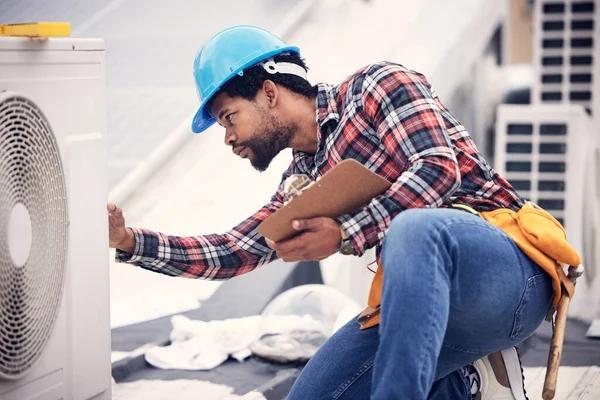
When an air conditioner malfunctions, common issues often include refrigerant leaks, dirty coils, faulty compressors, or electrical problems. For beginners, it is essential to know how to diagnose these issues properly. Simple maintenance tasks such as cleaning or replacing air filters, inspecting electrical connections, and checking refrigerant levels can often resolve minor problems. However, for more complex repairs such as fixing leaks or replacing compressors, professional training and tools are necessary.
For those interested in getting started with ac repair, there are several effective ways to build knowledge and skills. First, consider enrolling in technical courses or certification programs offered by trade schools or community colleges. These programs cover essential topics like refrigeration cycles, electrical systems, and safety protocols. Additionally, many manufacturers and professional organizations provide workshops and online tutorials that can help beginners gain practical experience.
Hands-on experience is invaluable in AC repair. Internships or apprenticeships with established HVAC companies provide real-world exposure to various repair scenarios. Watching experienced technicians troubleshoot and repair units helps reinforce theoretical knowledge. Furthermore, investing in basic tools such as multimeters, refrigerant gauges, and vacuum pumps can enable learners to practice essential diagnostic techniques.
Another useful way to get started is by utilizing online resources and forums dedicated to HVAC topics. Websites and video tutorials offer step-by-step guidance for common repairs, helping beginners understand the processes involved. However, it is important to always prioritize safety and consult professionals when dealing with high-voltage components or refrigerants.
In summary, reviewing the basics of AC repair involves understanding the core components and operation of air conditioning systems, recognizing common problems, and learning how to perform routine maintenance. For those aspiring to work in this field, formal education combined with hands-on training provides the best foundation. By taking these initial steps, anyone can build competence and confidence in AC repair, ultimately leading to more efficient and effective service.
Fresh Air Heating and Cooling
612 Spirit Valley E Dr, Chesterfield, MO 63005
636-224-6106