

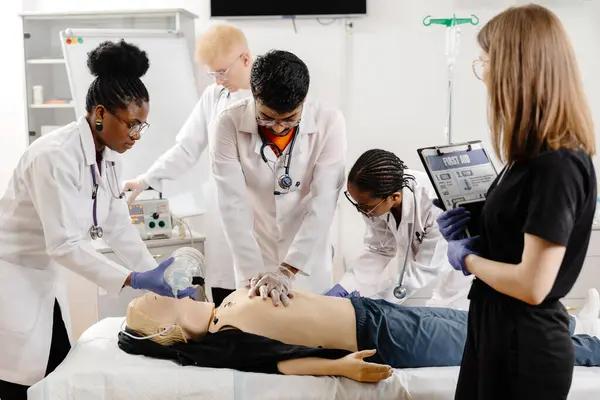
Medical programs for high school students in Washington, D.C., play a crucial role in shaping the future of healthcare and empowering young minds to explore careers in medicine. As the demand for healthcare professionals continues to rise, these programs provide an invaluable opportunity for students to gain early exposure to the medical field, fostering interest and guiding career aspirations. By offering hands-on experiences and educational enrichment, these initiatives help bridge the gap between academic learning and real-world application.
One of the primary reasons medical programs for high school students are important is that they ignite passion and interest in medicine at an early age. Adolescence is a formative period when individuals begin considering their future paths. Through exposure to medical environments, such as hospitals or research labs, students can discover their interests in various specialties like surgery, pediatrics, or biomedical research. explore this website early engagement not only helps them make informed decisions about their college majors but also motivates them to excel academically.
Moreover, these programs contribute significantly to diversifying the healthcare workforce by encouraging underrepresented minorities and economically disadvantaged students to pursue careers in medicine. Washington D.C., with its diverse population, provides an ideal setting for such initiatives aimed at inclusivity. By providing mentorship opportunities and financial support through scholarships or internships, medical programs can help level the playing field for all aspiring doctors regardless of their background.
Hands-on experience is another vital component of these programs. High school students often have limited access to practical learning within traditional classroom settings; however, participating in medical programs allows them direct interaction with professionals working on the front lines of patient care or cutting-edge research projects—experiences that textbooks alone cannot offer! Observing surgeries firsthand or assisting researchers during experiments fosters critical thinking skills while building confidence necessary when facing challenges later down life’s path.
Furthermore , participation enhances soft skills development essential across any career trajectory: communication proficiency improves via interactions among peers/mentors/patients alike ; teamwork flourishes collaborating within multidisciplinary teams tackling complex cases together . These interpersonal abilities prove invaluable once transitioning into collegiate environments where collaboration becomes increasingly prevalent .
Finally , engaging youth early benefits society overall by cultivating next generation leaders equipped tackle pressing health issues confronting communities today tomorrow alike . Encouraged innovate think critically solve problems creatively ultimately leads improved patient outcomes better public policies addressing disparities affecting vulnerable populations disproportionately impacted systemic inequities present throughout industry currently still exists unfortunately despite progress made thus far towards achieving equity inclusion goals long-term vision remains priority .
In conclusion , investing resources nurturing talent beginning stages pays dividends ensuring continued advancement quality accessible care everyone deserves no matter circumstances faced along journey becoming successful practitioners committed making difference lives others around world starting right here nation’s capital city itself!