
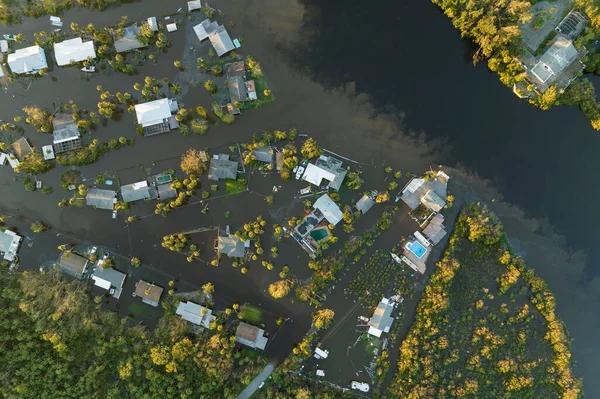
Flood damage can be devastating, leaving homes and businesses in disarray and causing significant emotional and financial strain. Fast flood damage cleanup after water emergencies is critical in mitigating the impact of such disasters. The urgency to address water damage cannot be overstated, as delays can lead to further deterioration of property, mold growth, and potential health hazards.
When a flood occurs, it is essential to act swiftly. The first step in fast flood damage cleanup is ensuring safety by turning off electricity and gas supplies to prevent accidents. Once safety measures are in place, assessing the extent of the damage becomes paramount. This assessment helps identify areas that require immediate attention and aids in developing a comprehensive cleanup plan.
Water extraction is a crucial component of fast flood damage cleanup. Utilizing high-powered pumps and vacuums allows for efficient removal of standing water from affected areas. Prompt extraction minimizes saturation levels within structures, reducing the risk of structural weakening or collapse.
After removing standing water, drying out the area thoroughly is essential to prevent mold growth—a common consequence of flooding that poses serious health risks if left unchecked. Industrial-grade dehumidifiers and air movers play a vital role in this process by circulating air effectively visit our site and drawing moisture out from walls, floors, and furniture.
Cleaning up debris follows closely behind drying efforts. Floodwaters often carry mud, silt, sewage contaminants, or chemicals into properties; therefore thorough cleaning using appropriate sanitizing agents ensures harmful pathogens are eliminated while restoring hygiene standards indoors.