
When considering the efficiency and effectiveness of a heating and cooling system, many homeowners focus primarily on the HVAC unit itself. However, an often-overlooked component that plays a crucial role in maintaining indoor comfort is the ductwork. The condition of your ductwork can significantly impact not only the performance of your HVAC system but also energy consumption, indoor air quality, and overall home comfort.
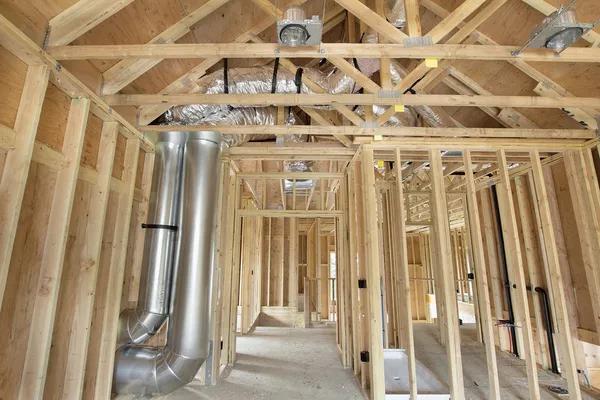
The primary function of ductwork is to transport conditioned air from your HVAC unit throughout your home. If these ducts are compromised in any way—be it through leaks, blockages, or poor insulation—the efficiency of your entire system can be severely reduced. Leaky ducts allow conditioned air to escape into areas like attics or crawl spaces before reaching their intended destinations. This results in uneven temperatures across different rooms and forces your HVAC unit to work harder to maintain desired temperatures, leading to increased energy bills.
Moreover, poorly maintained ductwork can have a direct impact on indoor air quality. Ducts that are dirty or infested with mold can circulate pollutants throughout your home every time the heating or cooling system operates. This is particularly concerning for individuals with allergies or respiratory conditions who may experience aggravated symptoms due to contaminated airflow. Regular uncover hidden gems inspection and cleaning of ductwork are essential practices for ensuring that the air circulating within a home remains clean and healthy.
Another aspect worth considering is how well-insulated ducts contribute to maintaining temperature consistency within living spaces. Inadequate insulation can cause heat gain in summer months or heat loss during winter months as conditioned air travels through unconditioned spaces like basements or attics. Properly insulated ducts help preserve the desired temperature of airflow until it reaches each room, enhancing comfort levels without overburdening the HVAC unit.
Furthermore, modern advancements in technology have introduced more efficient designs for duct systems that enhance airflow dynamics while minimizing resistance and turbulence within ducts themselves. These improvements translate into quieter operation as well as less strain on mechanical components such as fans and motors—factors which further extend equipment lifespan while reducing maintenance costs over time.
In conclusion, while investing in a high-quality heating and cooling unit is important for achieving optimal climate control at home; equal attention should be paid towards assessing existing conditions regarding one’s network infrastructure responsible for distributing said climate-controlled environment efficiently throughout all areas needing coverage therein: namely –the oft-overlooked yet undeniably vital element known simply enough by its moniker “duct work.” By prioritizing both aspects equally homeowners ensure maximum return upon investment made toward creating comfortable living environments year-round regardless external weather fluctuations encountered along journey thereto achieving ultimate satisfaction derived thereby obtained accordingly via comprehensive approach taken towards addressing needs comprehensively addressed herein discussed above succinctly stated thusly so!