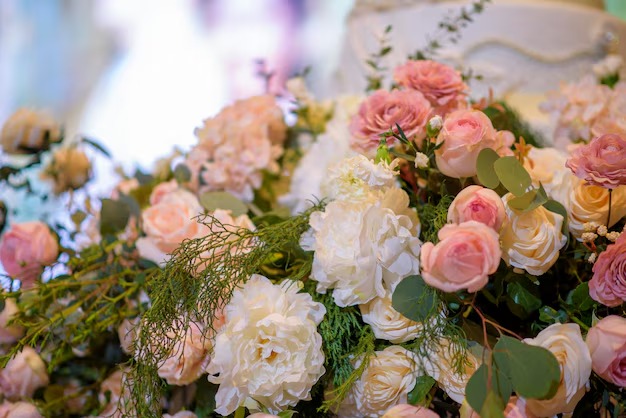

Finding the right artificial flower wholesale supplier can determine whether your business grows steadily or struggles with inconsistent inventory, customer complaints, and shrinking profit margins. In today’s competitive décor market, retailers are no longer simply searching for cheap products — they are looking for reliable partners who can deliver quality, consistency, and long-term value.
Whether you run an online store, wedding business, home décor boutique, event company, or floral shop, choosing the correct supplier requires more than comparing prices on a catalog page.
This guide explains the key factors every business should evaluate before working with an artificial flower wholesaler in 2026.
Understand Your Business Needs First
Before contacting suppliers, you need to clearly define your own business model and customer base.
Different wholesalers specialize in different markets. Some focus on low-cost bulk products for discount retailers, while others target luxury wedding planners or premium interior designers.
Start by asking yourself:
- Who are my customers?
- What price range do I sell in?
- Do I want trendy products or timeless designs?
- Am I selling online or in physical stores?
- Will I need custom-made products?
- Do I care more about low pricing or premium quality?
A wedding-focused business will require very different products than a dollar-store retailer. Understanding your own positioning makes supplier selection much easier.
Product Quality Should Be Your Top Priority
One of the biggest mistakes new buyers make is focusing only on pricing.
Low-cost artificial flowers may initially seem profitable, but poor quality often leads to:
- customer returns
- negative reviews
- damaged reputation
- low repeat purchases
In 2026, consumers are far more selective than they were years ago. Customers expect artificial flowers to look realistic, elegant, and durable.
When evaluating a supplier, carefully inspect:
Material Quality
Premium suppliers often use:
- silk fabric
- real-touch latex coating
- PE foam
- high-density polyester
- flexible wired stems
Cheap plastic materials can make products appear unrealistic and outdated.
Color Realism
Good suppliers create natural color gradients rather than overly bright artificial tones.
Stem Construction
Strong stems matter for:
- bouquets
- floral arrangements
- event installations
- shipping durability
Weak stems can easily bend or break during transport.
Petal Detailing
High-end artificial flowers usually include:
- textured petals
- layered construction
- hand-finished edges
- realistic veining
The small details often separate premium wholesalers from low-end factories.
Ask for Samples Before Large Orders
Never place a large wholesale order without reviewing samples first.
Professional buyers almost always request product samples because catalog photos can sometimes hide quality issues.
Samples allow you to evaluate:
- realism
- packaging
- color accuracy
- craftsmanship
- durability
- shipping protection
It is also helpful to compare products from multiple suppliers side by side.
Many experienced retailers treat sample testing as an investment rather than an expense.
Check the Supplier’s Product Range
A strong wholesale supplier should offer more than just a few flower types.
A wider product range gives your business flexibility and allows you to expand inventory over time.
Look for wholesalers offering:
- roses
- peonies
- orchids
- hydrangeas
- tulips
- cherry blossoms
- artificial greenery
- hanging vines
- wedding collections
- seasonal décor
Suppliers with broader catalogs can help you respond to changing market trends without constantly searching for new manufacturers.
Evaluate Customization Capabilities
Customization is becoming increasingly important in the artificial flower industry.
Many retailers and event planners now want:
- exclusive color combinations
- custom bouquet sizes
- branded packaging
- private label products
- seasonal collections
Not every supplier can handle customization efficiently.
Ask potential wholesalers:
- Do you offer OEM services?
- Can products be modified?
- What is the minimum order quantity for custom orders?
- How long does customization take?
- Can packaging include my brand logo?
Businesses that offer unique products usually face less direct price competition online.
Understand Minimum Order Quantities (MOQ)
Wholesale suppliers often require minimum order quantities.
Some factories may only accept very large bulk orders, which may not be practical for smaller businesses.
Before choosing a supplier, make sure you understand:
- MOQ per product
- MOQ per color
- MOQ for custom designs
- mixed-container policies
Flexible MOQ options are especially valuable for growing businesses testing new product categories.
Shipping and Packaging Matter More Than You Think
Artificial flowers are delicate products. Poor packaging can destroy product quality before items even arrive.
Flattened petals, bent stems, crushed arrangements, and damaged packaging can all reduce resale value.
Ask suppliers about:
- export packaging standards
- carton strength
- waterproof protection
- stem protection methods
- shipping experience
International wholesalers with strong logistics experience usually produce fewer delivery problems.
Fast communication regarding shipping updates is also extremely important.
Communication Is a Major Warning Sign
Professional communication often reflects the professionalism of the entire company.
Pay attention to:
- response speed
- clarity
- willingness to answer questions
- transparency
- problem-solving attitude
Reliable suppliers usually provide:
- accurate quotations
- detailed product information
- realistic production timelines
- clear shipping terms
Be cautious if a supplier:
- avoids direct answers
- changes prices frequently
- responds slowly
- refuses sample requests
- provides unclear photos
Good communication becomes especially important during large seasonal orders.
Verify Business Experience and Reputation
Experience matters in wholesale manufacturing.
Established suppliers often have:
- better production systems
- stronger quality control
- more stable materials sourcing
- export experience
- improved packaging processes
You can evaluate reputation through:
- customer reviews
- trade platform ratings
- business certifications
- trade show participation
- social media activity
- website professionalism
Long-term suppliers generally create fewer operational risks.
Compare Value — Not Just Price
The cheapest supplier is not always the most profitable supplier.
A slightly higher-priced wholesaler may actually save money by providing:
- better durability
- fewer damaged products
- stronger customer satisfaction
- lower return rates
- faster shipping
- more consistent inventory
Instead of asking:
“Who is the cheapest?”
Successful businesses usually ask:
“Who provides the best long-term value?”
That mindset often leads to better supplier partnerships and healthier business growth.
SEO and Branding Support Are Becoming Valuable
Modern wholesalers increasingly support retailers with:
- professional product photography
- lifestyle images
- video content
- social media materials
- optimized product descriptions
This can help online sellers improve their:
- SEO rankings
- advertising performance
- conversion rates
- social media engagement
In 2026, suppliers that understand digital marketing trends often become more valuable business partners.
Build Long-Term Relationships Instead of Constantly Switching Suppliers
Many successful retailers work with the same wholesale suppliers for years.
Long-term relationships can provide:
- better pricing
- production priority
- improved customization
- more stable quality
- easier communication
- faster problem resolution
Constantly switching suppliers to save small amounts of money often creates inconsistency and operational problems.
Reliable partnerships usually become one of the strongest competitive advantages in the wholesale industry.
Final Thoughts
Choosing the right artificial flower wholesale supplier is about far more than finding low prices. The best suppliers help businesses grow through quality, reliability, customization, and professional support.
As the artificial flower industry continues evolving in 2026, buyers are becoming more selective and customer expectations are rising rapidly. Businesses that work with dependable wholesale partners are better positioned to compete in both online and offline markets.
By carefully evaluating product quality, communication, customization options, logistics, and long-term value, retailers can build stronger brands and create sustainable growth in the expanding artificial flower market.