
Scheduled HVAC maintenance is a crucial practice for homeowners and businesses aiming to minimize long-term costs associated with their heating, ventilation, and air conditioning systems. Regular maintenance ensures that HVAC systems operate efficiently, extend their lifespan, prevent unexpected breakdowns, and ultimately save money over time.
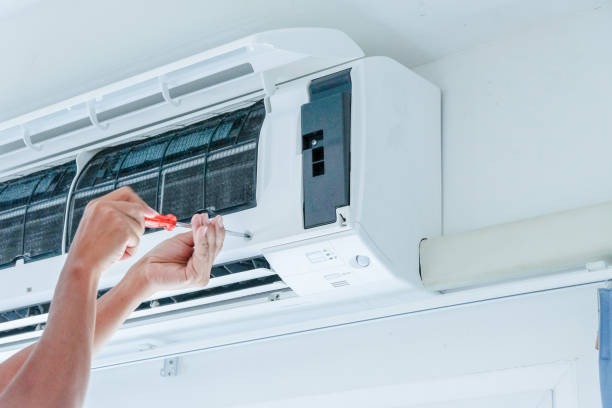
One of the primary reasons scheduled maintenance reduces costs is by enhancing the efficiency of HVAC systems. Over time, dust and debris can accumulate in filters and ducts, causing the system to work harder than necessary to maintain desired temperatures. This increased workload not only consumes more energy but also leads to higher utility bills. By regularly cleaning or replacing filters and ensuring that all components are functioning optimally, scheduled maintenance keeps energy consumption in check.
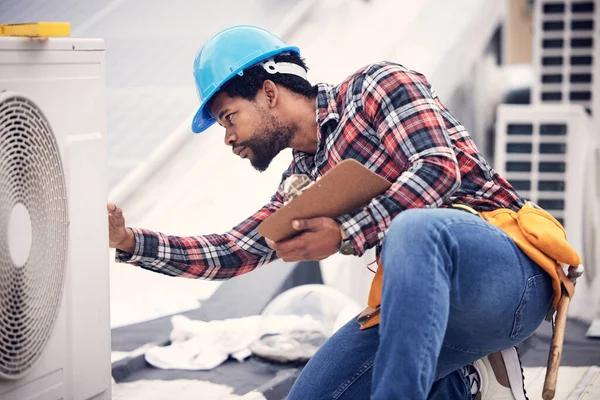
Additionally, regular upkeep helps identify potential issues before they escalate into costly repairs or replacements. During routine inspections, technicians can spot worn-out parts or minor malfunctions that could lead to significant problems if left unaddressed. Addressing these issues early prevents them from developing into major failures requiring expensive emergency repairs or complete system overhauls. This proactive approach significantly cuts down on unexpected expenses.
Scheduled maintenance also plays a vital role in extending get the full details here lifespan of HVAC equipment. Like any mechanical system, wear and tear are inevitable as components age. However, consistent care minimizes this deterioration process by ensuring each part operates under optimal conditions for as long as possible. A well-maintained system can last several years longer than one neglected until failure occurs—delaying replacement costs substantially.
Moreover, maintaining an efficient HVAC system contributes positively to environmental sustainability efforts while simultaneously reducing operational costs. Efficient systems consume less fuel or electricity compared with inefficient ones; therefore emissions decrease proportionately along with reduced resource usage overall—a win-win situation financially environmentally alike!
In conclusion scheduling periodic preventative measures essential aspect responsible ownership management strategy aimed minimizing expenditures maximizing returns investments made towards maintaining comfortable living working environments alike through conscientious diligent attention detail every step way!