
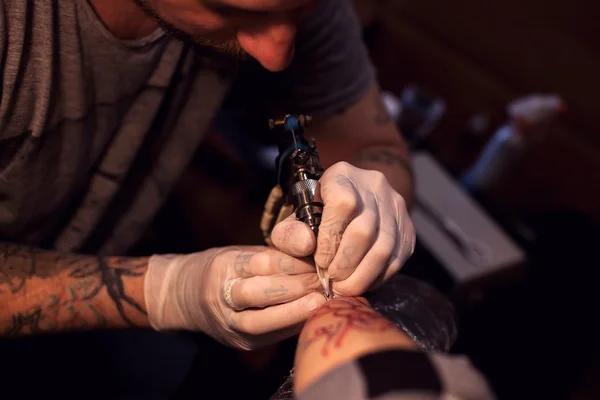
Tattoo and piercing studios approach custom designs with a blend of creativity, professionalism, and client collaboration to ensure each piece is unique and meaningful. The process typically begins with an initial consultation where the artist and client discuss ideas, preferences, and any specific elements the client wants incorporated. This conversation helps clarify the vision behind the design while allowing the artist to assess feasibility based on factors such as size, placement, skin type for tattoos, or anatomy for piercings. During this stage, artists often ask questions about style preferences-whether traditional, realistic, abstract-or symbolic meanings that might influence design choices.
Once the concept is clear, many studios encourage clients to bring reference images or sketches to better communicate their ideas. Artists then use these materials as inspiration rather than direct templates. They create original artwork tailored specifically for each individual’s body and personality. This customization ensures that no two pieces are exactly alike unless intentionally replicated by request. Digital tools like graphic tablets may be employed to refine sketches before finalizing a design. Some studios provide preliminary drawings or mock-ups for client approval so adjustments can be made early in the process.
After agreeing on a final design, technical considerations come into play. For find out tattoos, artists evaluate how colors will appear on different skin tones and how details might age over time due to natural fading or stretching of skin. Piercing professionals consider jewelry types compatible with anatomy as well as healing times related to customized placements or modifications in standard procedures.
Throughout this entire journey from concept to completion, communication remains key in tattoo and piercing studios handling custom designs effectively. Regular updates allow clients to feel involved without overwhelming them with unnecessary jargon or complexity. Professional studios prioritize hygiene standards alongside artistic quality; sterile environments are maintained rigorously during application phases.
Custom work also requires flexibility from both parties since some ideas may need adaptation after practical assessment by experienced artists who understand anatomical constraints better than most clients initially realize. Trust between artist and customer fosters openness toward suggestions that enhance safety while preserving artistic integrity.
Ultimately, tattoo and piercing studios manage custom designs through thoughtful dialogue combined with skilled craftsmanship tailored uniquely per individual needs. This personalized approach not only results in distinctive body art but also builds lasting relationships founded on mutual respect between creative professional and patron seeking self-expression through ink or metal adornment on their bodies.